About Pitless Platform Weighbridge
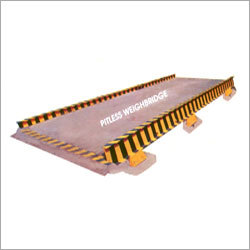
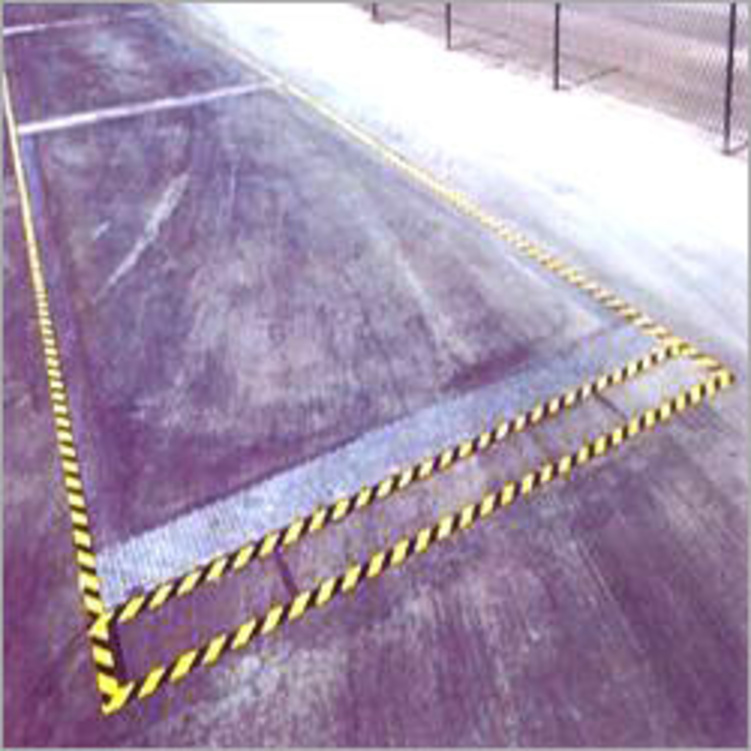
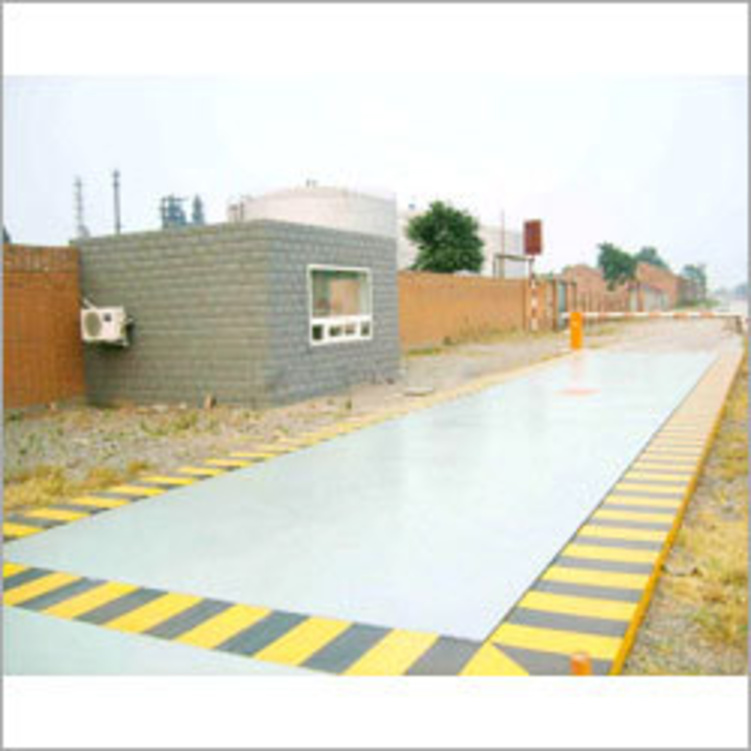
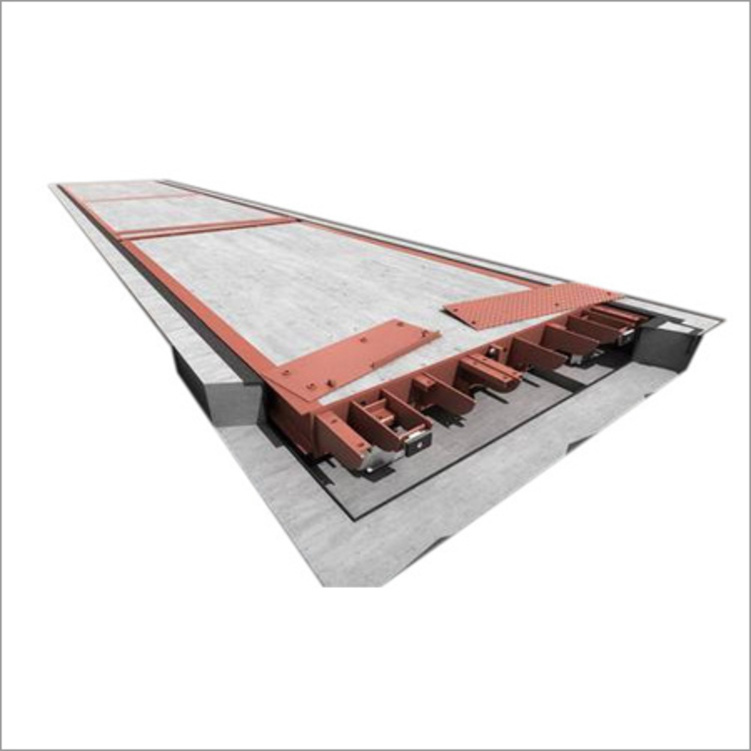
Pitless Platform Weighbridge is the one which is most suitable where the excavation work for foundation is difficult or construction of pit is expensive. This type of weighbridge requires more space. In Pitless Platform Weighbridge RCC ramp work must be required at least 3 meters for both sides for easy movement of vehicle.
Flexible Platform Solutions for Every RequirementWith platform sizes commonly available in 16 x 3 m, 18 x 3 m, and 20 x 3 m, and custom options as needed, the Pitless Platform Weighbridge caters to diverse industrial and transport needs. Coupled with a choice of 4, 6, or 8 load cells based on the platform size, this weighbridge ensures stable and precise load management for a broad range of vehicle weights.
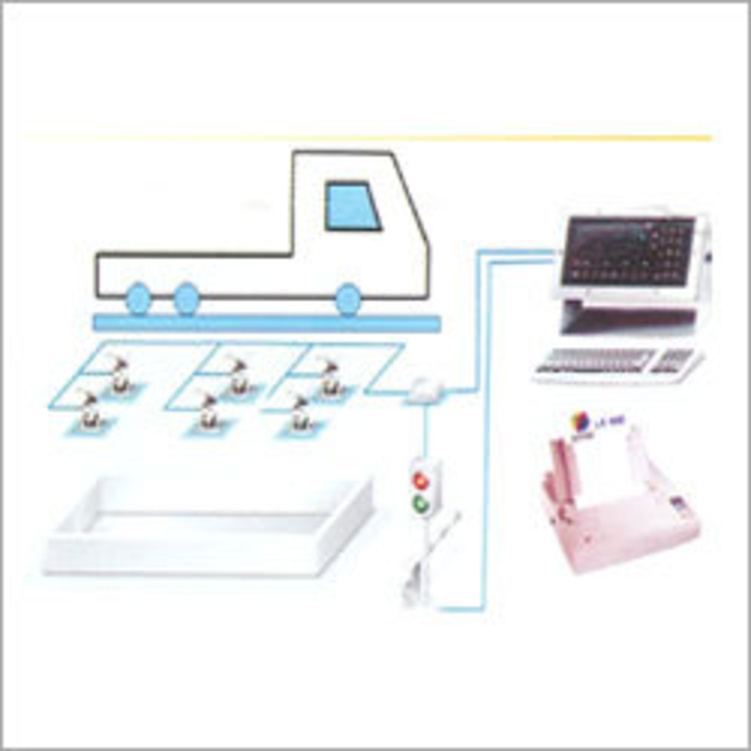
Advanced Weighing Technology and User-Centric FeaturesFitted with a digital high-brightness LED indicator, automatic or manual calibration, and reliable RS-232/RS-485/printer interface data output, this weighbridge streamlines weigh-in processes. Users benefit from easy operation, fast weight calculation, and dependable accuracy thanks to meticulously engineered load cell mechanisms and rugged paint-finished surfaces.
Sturdy Construction for Longevity and ReliabilityCrafted from modular mild steel, finished for corrosion resistance and painted in blue, this surface-mounted, pitless platform increases installation convenience and longevity. The ramp design (1.5-2 m each side) offers easy access, while the robust structure withstands heavy loads and harsh conditions, making it a trusted choice for industrial weighing requirements.
FAQ's of Pitless Platform Weighbridge:
Q: How is the pitless platform weighbridge installed at industrial sites?
A: This weighbridge is surface-mounted, requiring no deep pit for installation. Its modular structure is placed directly onto a concrete foundation with approached ramps (1.5-2 m each side), streamlining onsite setup and reducing civil work costs and downtime.
Q: What applications can the pitless platform weighbridge support?
A: Primarily designed for industrial weighing and truck weighbridge operations, it's suitable for logistics hubs, manufacturing plants, construction sites, and any facility requiring accurate vehicle weight calculations for loads up to 150 tons.
Q: When should the weighbridge be calibrated, and how is it done?
A: Calibration can be performed either automatically or manually. It's recommended to calibrate initially during setup and periodically as per usage frequency and compliance needs to maintain accuracy within 0.02% FS.
Q: Where can data from the weighbridge be exported or integrated?
A: The system offers multiple data output options, including RS-232, RS-485, and printer interfaces. This allows integration with printers, computers, or networked data systems for efficient record management and processing.
Q: What are the benefits of a pitless, surface-mounted design?
A: Choosing a pitless, surface-mounted weighbridge eliminates the need for deep civil work, reduces installation time, and facilitates easier maintenance access compared to traditional pit-type weighbridges. It is also less susceptible to water logging and corrosion.
Q: How does the load cell mechanism ensure weighing accuracy in this system?
A: The load cells, which are selected based on platform size (4, 6, or 8 per bridge), convert the mechanical weight of a vehicle into precise electronic signals. This robust mechanism ensures weight readings remain accurate, reliable, and consistent over prolonged usage.
Q: What power options are available for the digital display indicator?
A: The high-brightness LED indicator panel is powered by both AC (220-240 V) supply and battery backup, ensuring uninterrupted operation even during power outages.

 Send Inquiry



 Send Inquiry


 Send Inquiry


