Compression Load Cell About
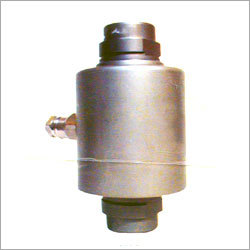
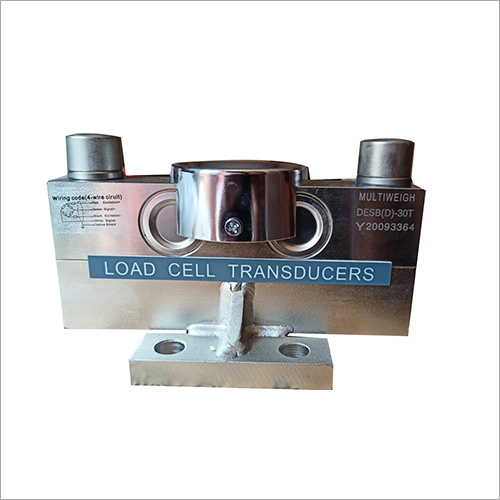
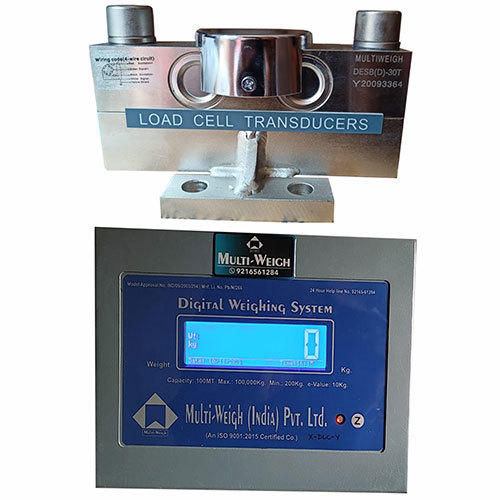
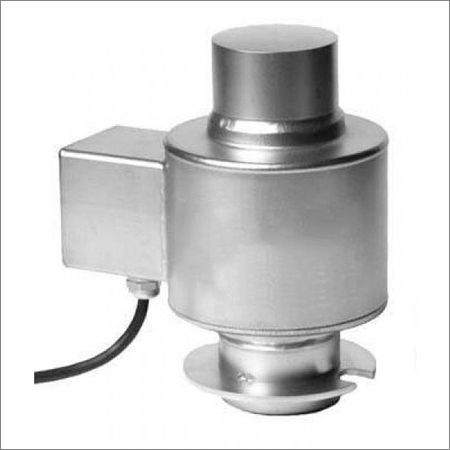
We are one of the leading manufacturers of Compression Load Cell in the market. This measures a pushing force along a single axis. Generally, it is placed beneath the object that needs measuring. Depending on the application, this Compression Load Cell is used to determine any relative changes in resistance.
Precision Engineering for Reliable MeasurementsDesigned with resistance strain gauge theory, this compression load cell delivers precise results with an accuracy of 0.03% FS. Its robust construction ensures durability even in challenging industrial settings, making it a dependable choice for various applications across sectors.
User-Friendly and Versatile ApplicationOperating at 10V DC and featuring an output of 2.0 mV/V, this load cell integrates seamlessly into most standard measurement systems. Its suitable for projects requiring the accurate measurement of compressive force, whether in testing, weighing, or structural monitoring tasks.
FAQs of Compression Load Cell:
Q: How does the compression load cell measure force accurately?
A: This load cell utilizes resistance strain gauge technology, which converts force applied in compression into a measurable electrical signal, achieving high accuracy of 0.03% FS.
Q: What is the typical operating voltage and output signal of this compression load cell?
A: The load cell operates at 10V DC and produces an output voltage of 2.0 mV/V, allowing for precise data collection in force measurement applications.
Q: When should I consider using a compression load cell?
A: You should use a compression load cell when accurate measurement of compressive forces is required, such as in material testing, industrial weighing, and machine monitoring scenarios.
Q: Where is this compression load cell manufactured and supplied?
A: This compression load cell is manufactured and supplied by reputable producers in India, ensuring reliable quality and after-sales support.
Q: What is the process for installing this compression load cell in a system?
A: The installation involves mounting the load cell in your setup, connecting the electrical terminals (typically to a signal amplifier or measuring system), and calibrating it according to your applications requirements.
Q: How can users benefit from the accuracy of 0.03% FS in industrial settings?
A: High accuracy minimizes measurement discrepancies, supporting better quality control, process optimization, and safety in industrial applications where force data integrity is crucial.

 Send Inquiry



 Send Inquiry


 Send Inquiry


